PDF Translation Tool Comparison
Google Translate vs DeepL vs doc2lang
Source Document: IMF Annual Report 2025 Financial Statements (Page 36)
Translation Direction: English → Japanese
Analysis Date: February 2025
1. Analysis Overview
This report compares the Japanese translations of the IMF Annual Report 2025 Financial Statements (English original) produced by three translation tools — Google Translate, DeepL (free version), and doc2lang — based on actual screenshot results.
The analysis focuses on Note page 36, which covers:
- •Sensitivity analysis of defined benefit obligations (table)
- •Other assets and liabilities (two tables)
- •Borrowings description (Section 13)
2. Visual Overview: Full-Page Comparison
Let us start by looking at the overall appearance of each translation result.
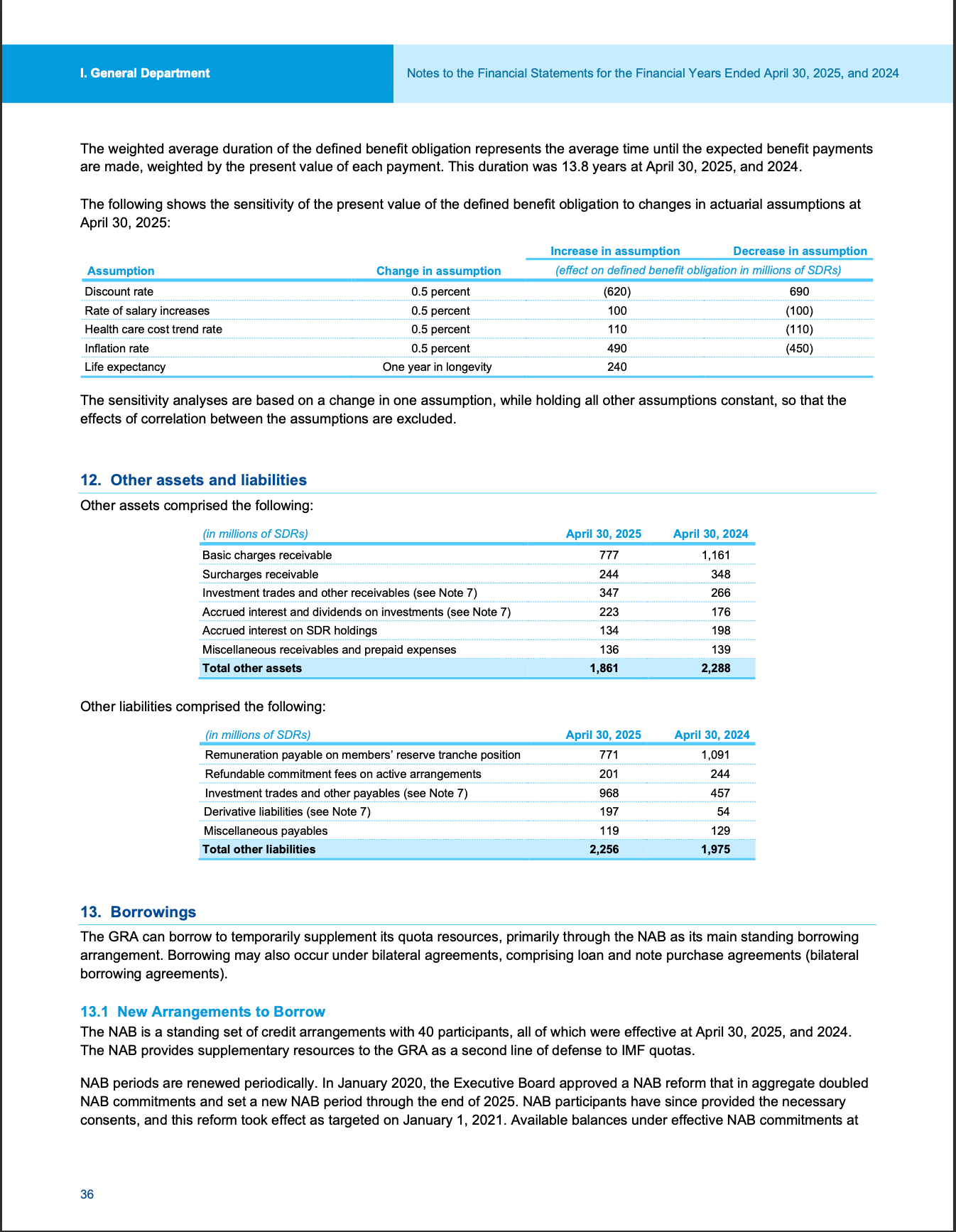
Original (English)
Google Translate
DeepL (Free Version)
doc2lang
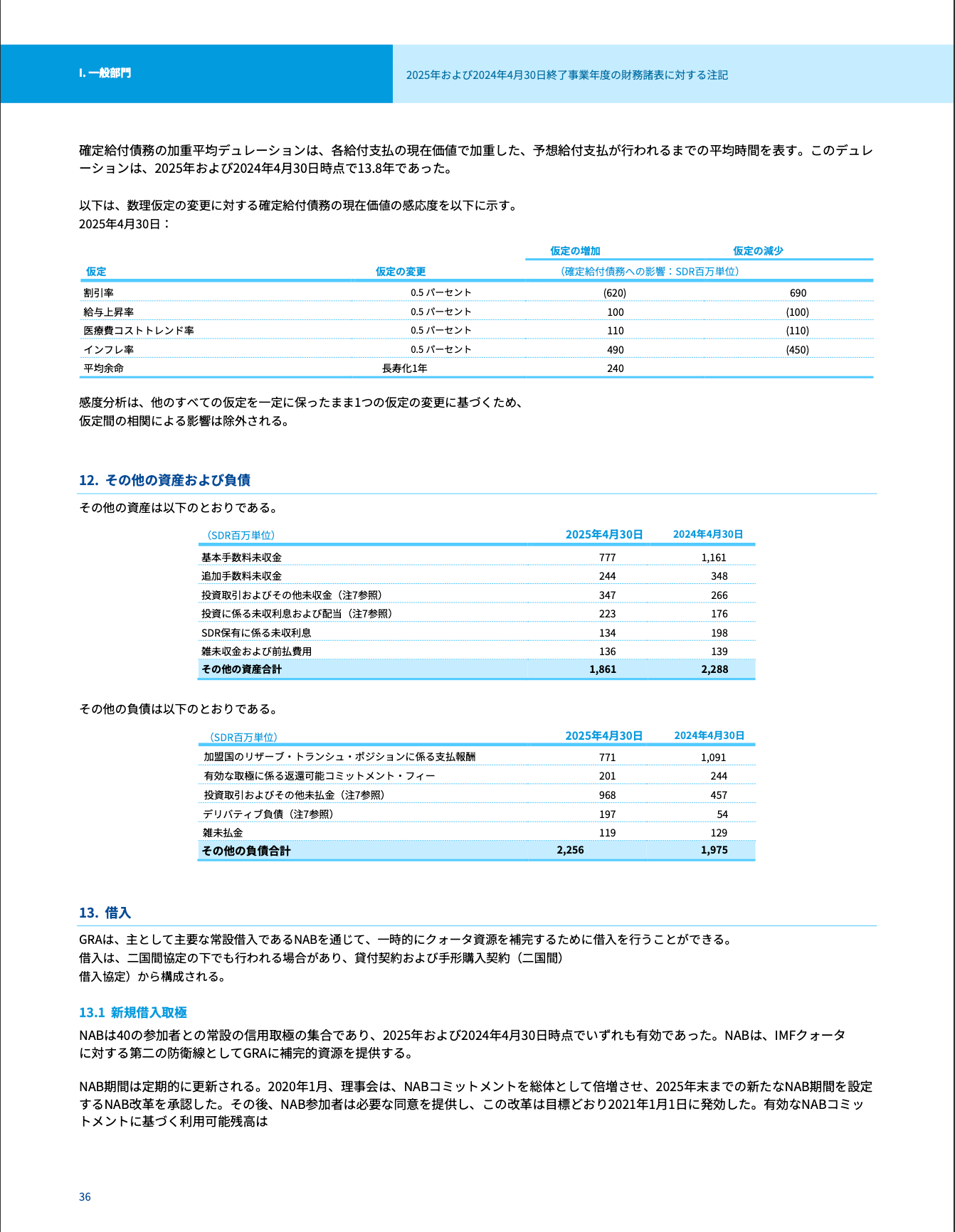
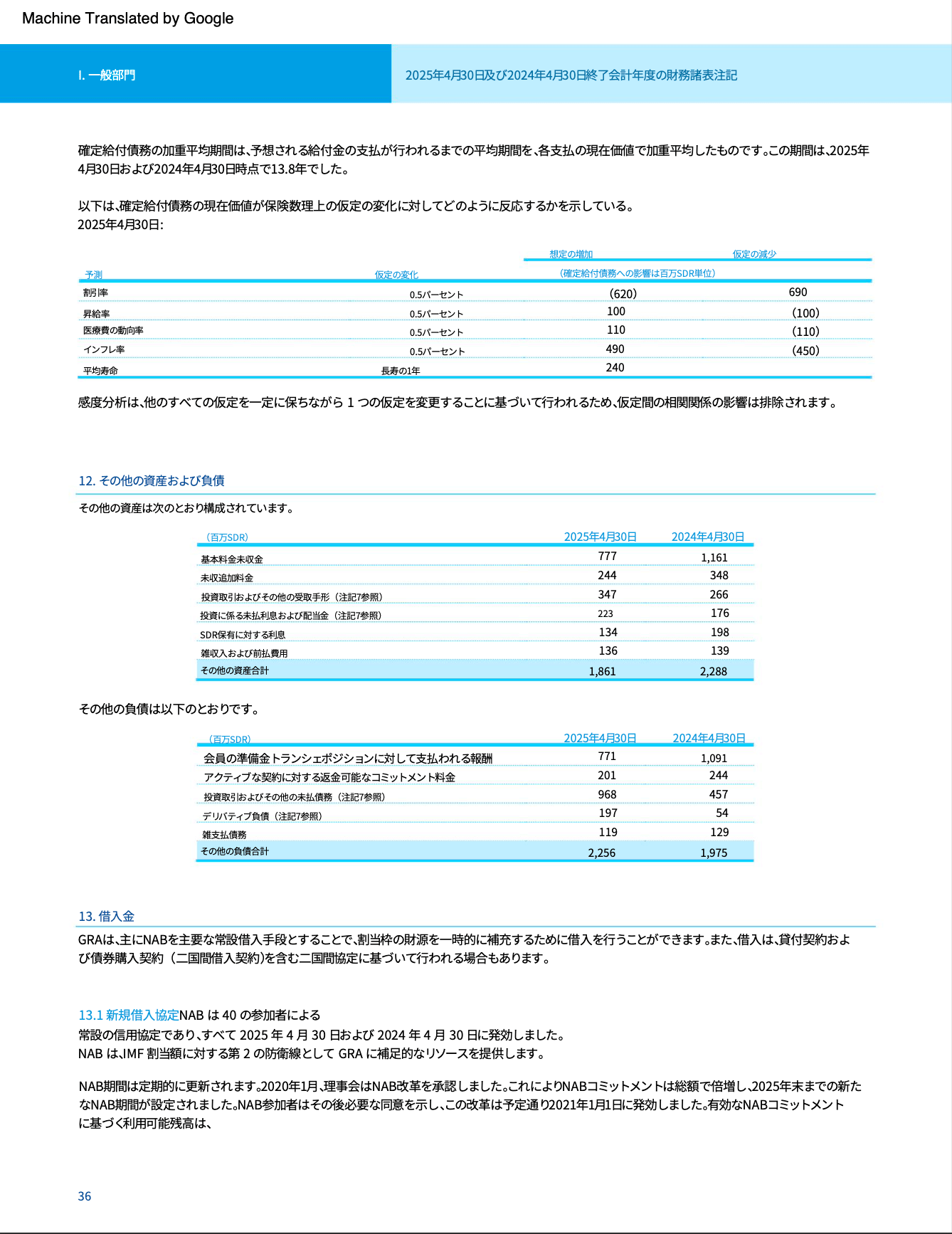
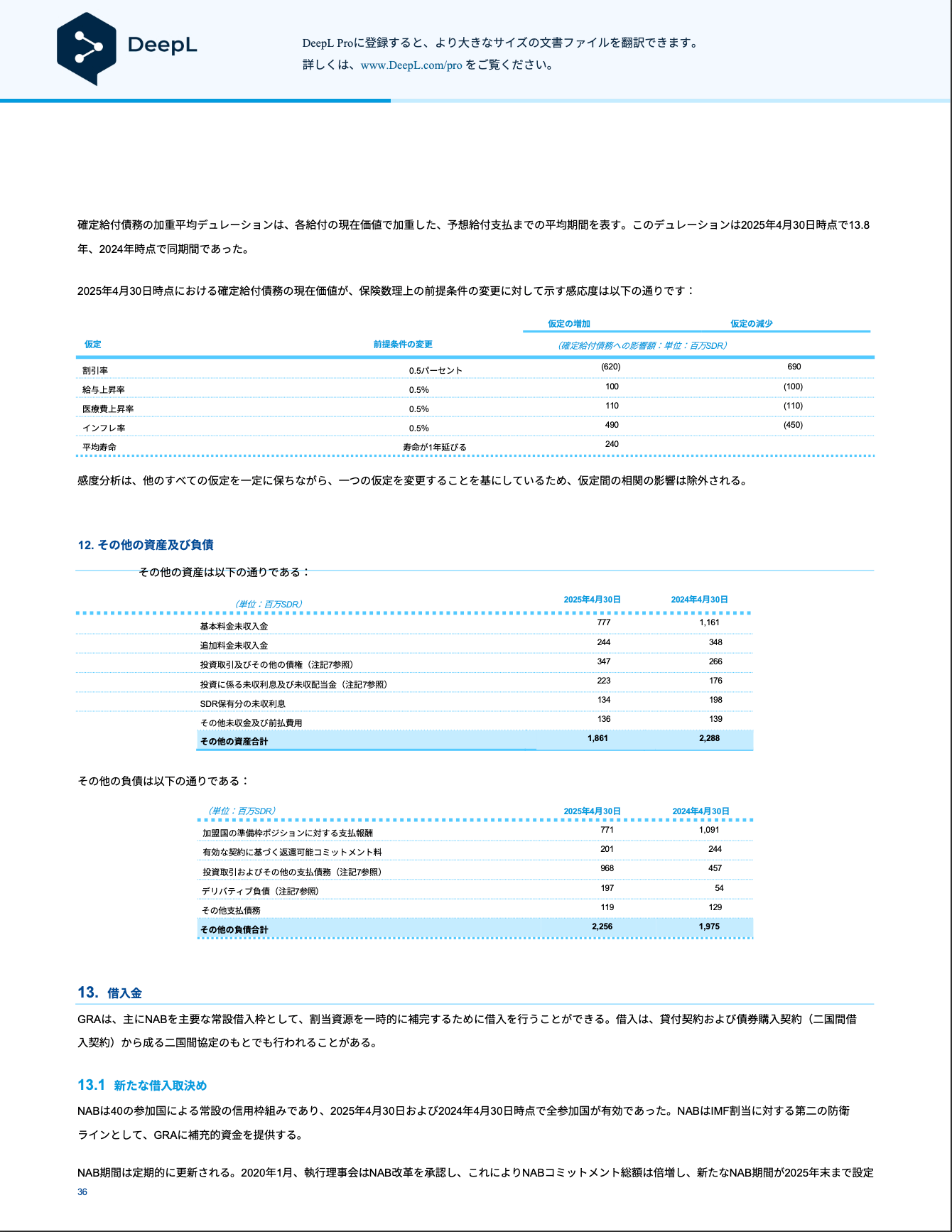
At first glance, doc2lang stays closest to the original layout, and DeepL also preserves the table structure well. Meanwhile, Google Translate inserts a watermark at the top of the page, and the DeepL free version adds a logo and promotional banner.
3. Page Header Section
Differences between the tools are already visible in the very first section of the page.
Google Translate

- •A "Machine Translated by Google" watermark is automatically inserted at the top of the page
- •The header is translated as "I. 一般部門" "2025年4月30日及び2024年4月30日終了会計年度の財務諸表注記"
DeepL (Free Version)

- •The DeepL logo and a promotional message encouraging users to upgrade to DeepL Pro are inserted at the top of the page
- •This is a limitation of the free version and is removed in the paid (Pro) plan
- •This ad insertion pushes the main content downward, reducing available page space
doc2lang

- •Translated as "I. 一般部門" "2025年および2024年4月30日終了事業年度の財務諸表に対する注記"
- •No extra insertions. Most faithful to the original layout
- •"Financial Years" is translated as "事業年度", which is appropriate for accounting documents (Google Translate's "会計年度" is also acceptable)
4. Sensitivity Analysis Table
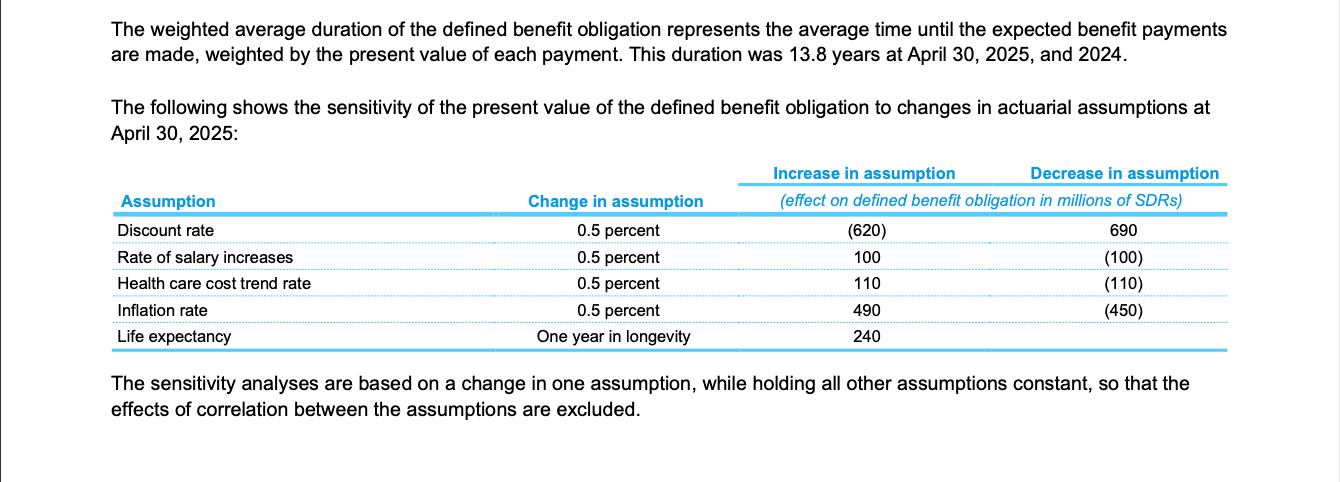
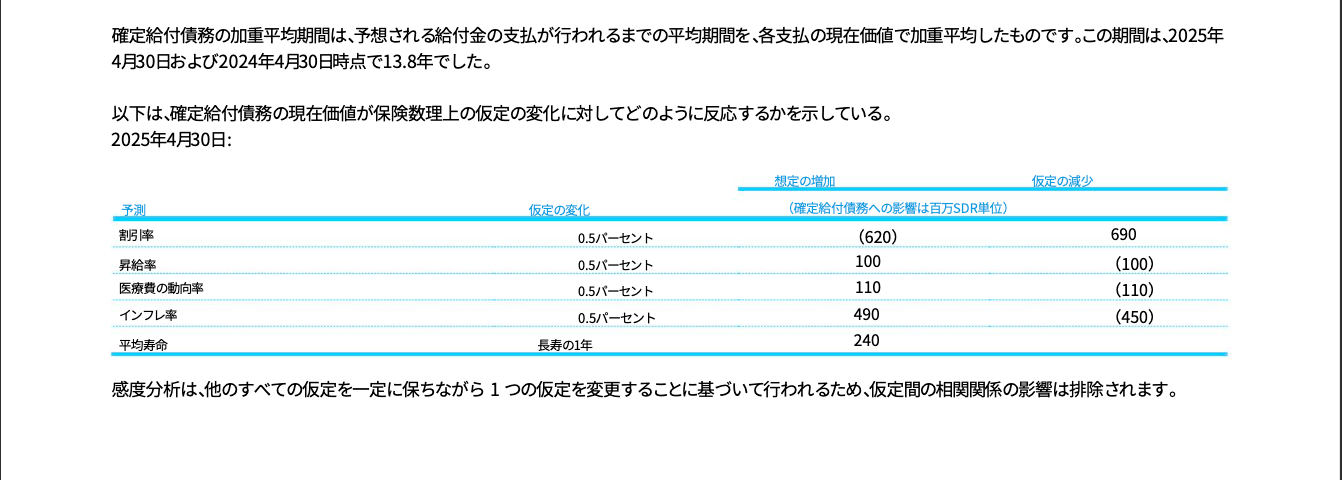
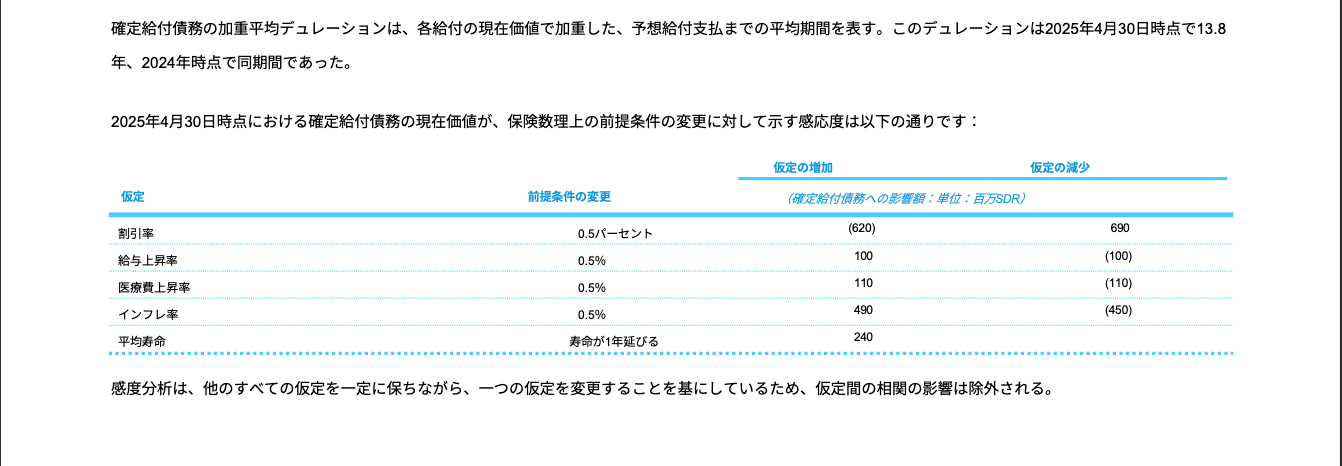
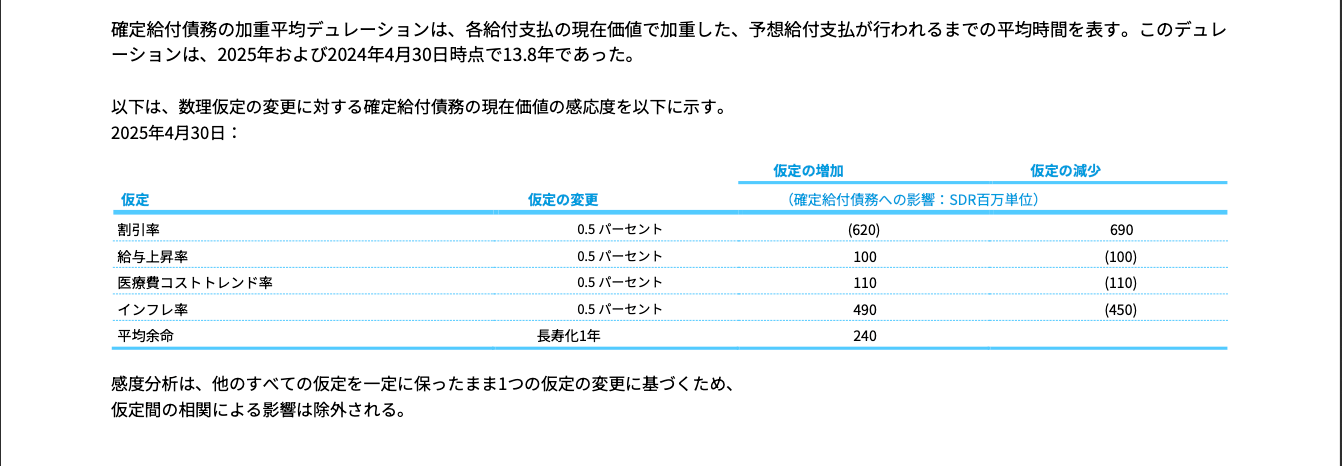
This four-column table (assumption name, change range, increase impact, decrease impact) tests each tool's ability to handle tabular data.
Original
Google Translate
Issues found:
- Mistranslation in column header: The original "Assumption" is translated as "予測" (prediction) — a clear mistranslation; the correct term is "仮定" (assumption). Furthermore, the same word "assumption" is rendered as three different terms — "予測", "想定", and "仮定" — creating inconsistency within a single table
- Consistent notation: "0.5パーセント" (0.5 percent) is used uniformly across all rows (a positive point)
- "医療費の動向率": An acceptable translation of "Health care cost trend rate", though somewhat generic
- Table layout: Generally preserved; numerical relationships remain readable
DeepL
Issues found:
- Notable notation inconsistency: The most prominent issue is that the "Change in assumption" column mixes "0.5パーセント" and "0.5%" — the first row uses "0.5パーセント" while subsequent rows use "0.5%". This inconsistency within a single table is a significant issue for professional documents
- Mixed writing styles: The text immediately before the table ends with "〜は以下の通りです:" (polite style), while other sections use the formal "であった" style
doc2lang
Key features:
- Consistent notation with "0.5 パーセント": The same format is used throughout every row, maintaining uniformity
- Column headers: Consistently translated as "仮定" (assumption), "仮定の変更" (change in assumption), "仮定の増加" (increase in assumption), "仮定の減少" (decrease in assumption)
- "数理仮定": "Actuarial assumptions" is translated as "数理仮定" — a concise and accurate technical term in insurance and pension terminology
- "感度分析": Same expression as DeepL's "感度分析" — Google Translate also uses "感度分析"
5. Other Assets Table
Original
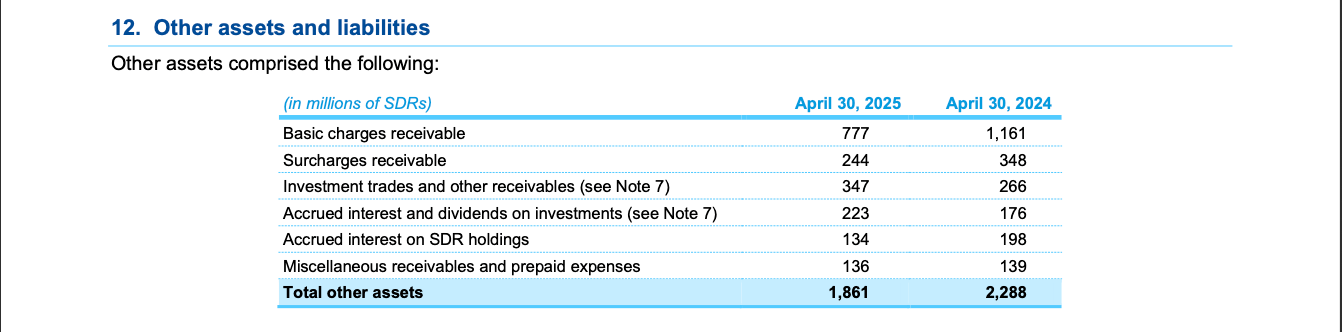
Google Translate
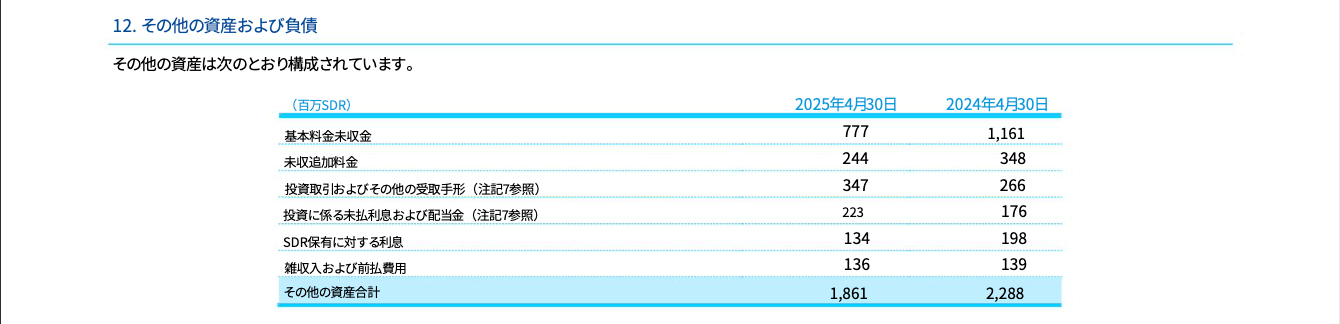
- •Table structure is well preserved
- •"基本料金未収金" / "未収追加料金": "Basic charges receivable" and "Surcharges receivable" are translated using "料金" (fees) — too generic for the IMF context where "charges" carries specific meaning
- •"投資取引およびその他の受取手形": "Receivables" is translated as "受取手形" (notes receivable), which is a different accounting concept; "未収金" (receivables) would be more appropriate
DeepL
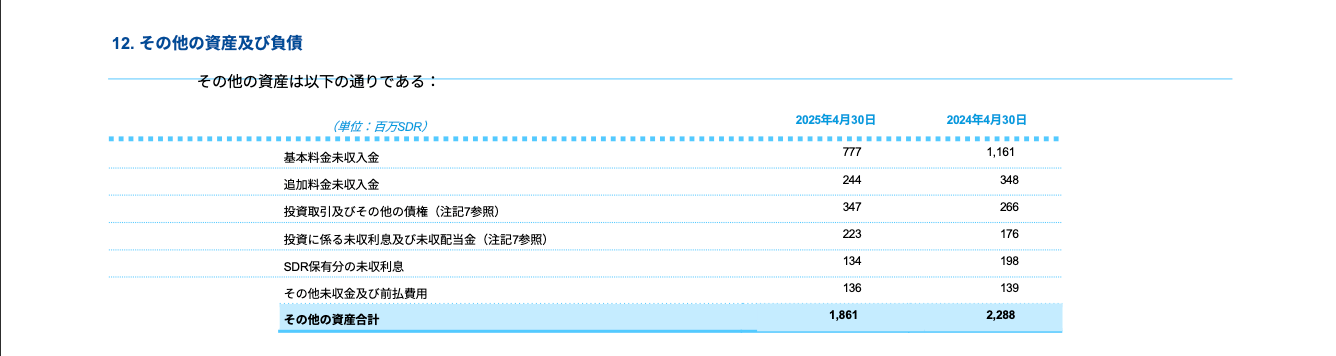
- •Table structure is preserved. Styling changes (e.g., dotted borders) are present but the result remains readable
- •"基本料金未収入金" / "追加料金未収入金": "未収入金" is less standard than "未収金"
- •"投資取引及びその他の債権": "Receivables" is translated as "債権" — an appropriate accounting term
- •Unit notation: "(単位:百万SDR)" adds "単位:" (unit:) which is not in the original — a helpful clarification
doc2lang
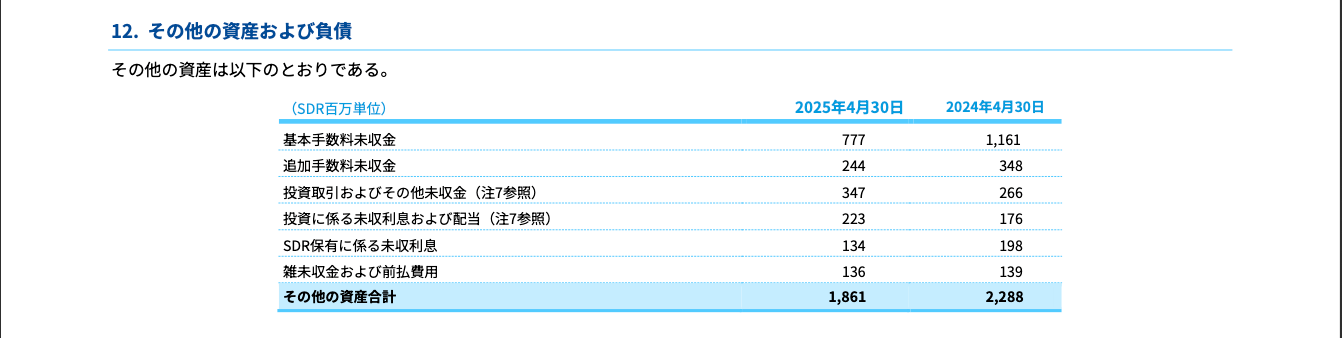
- •Highest fidelity in table structure reproduction
- •"基本手数料未収金" / "追加手数料未収金": "Charges" is translated as "手数料" (commission/fees), which is closer to the financial context than "料金" (Google/DeepL) but slightly different from the official IMF term "賦課金". However, "手数料" is acceptable in general financial translation
- •"投資取引およびその他未収金": "未収金" (receivables) is the standard accounting term
- •Unit notation: "(SDR百万単位)"
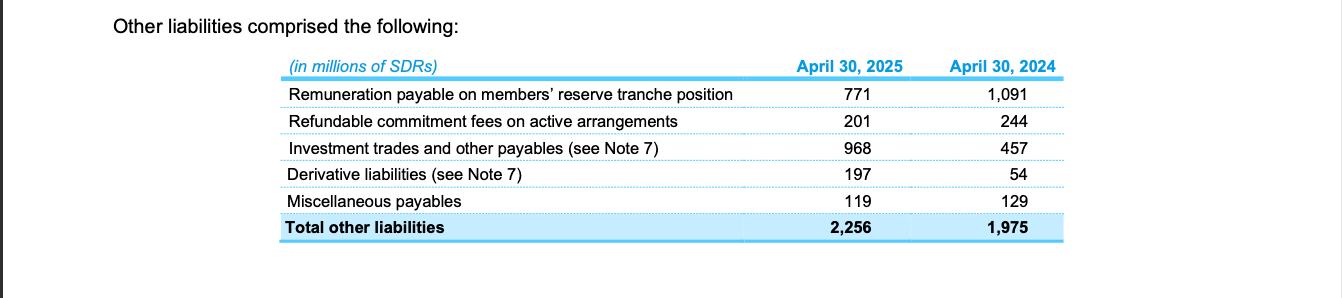
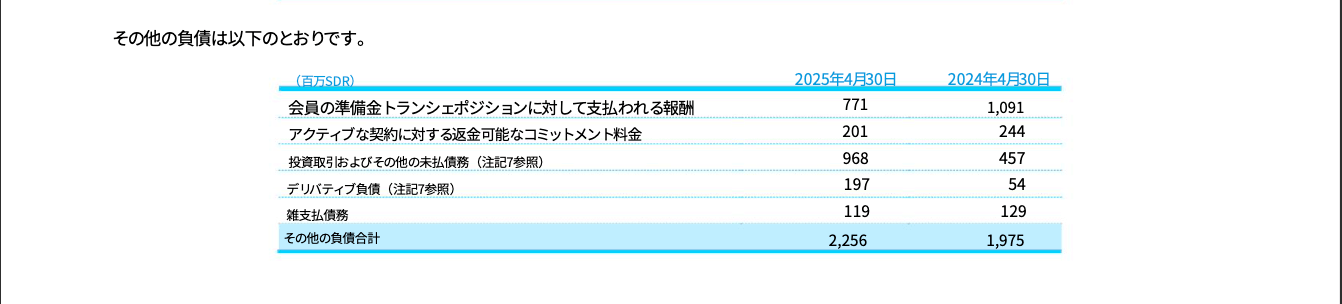
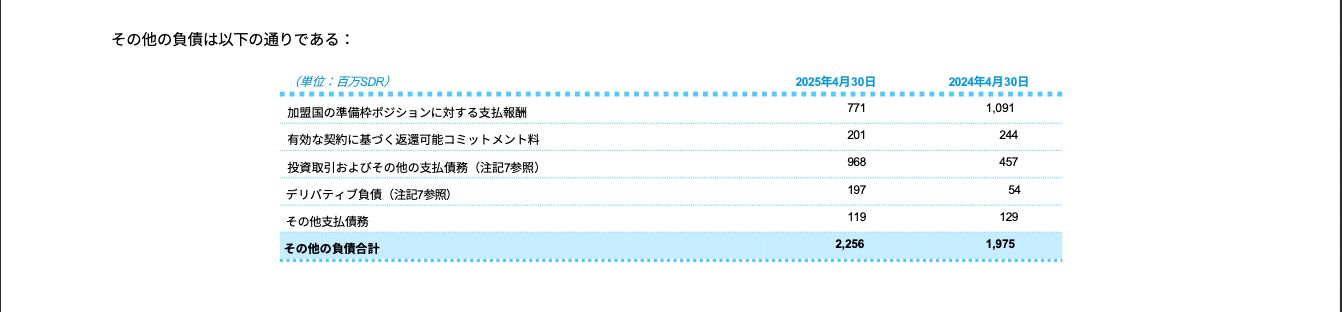
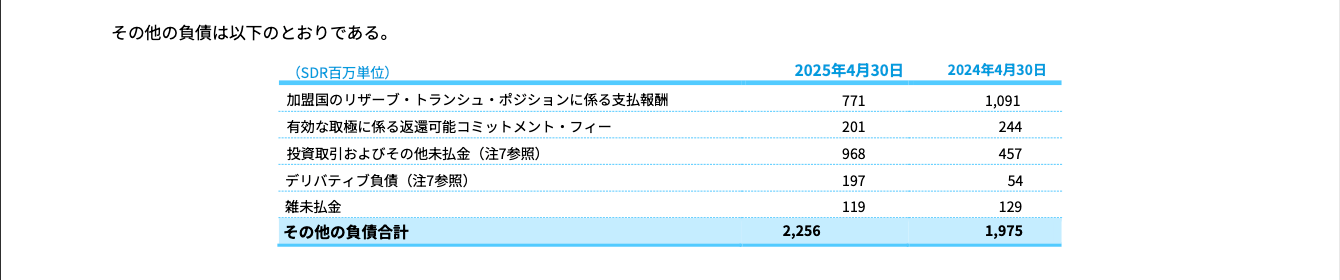
6. Other Liabilities Table — Where Terminology Differences Are Most Pronounced
This table contains a concentration of IMF-specific terminology, making the differences between tools most apparent.
Original
Google Translate
| Original | Google Translate Output | Issue |
|---|---|---|
| Remuneration payable on members' reserve tranche position | Remuneration paid on 会員の準備金トランシェポジション | "会員" (members) — in IMF context, "加盟国" (member countries) is the correct term, as "members" refers to sovereign nations |
| Refundable commitment fees on active arrangements | Refundable commitment 料金 on アクティブな契約 | "アクティブな" is too literal — "有効な" (effective) is more appropriate. "契約" (contract) — the IMF standard term is "取極" (arrangements) |
DeepL
| Original | DeepL Output | Evaluation |
|---|---|---|
| Remuneration payable on members' reserve tranche position | Remuneration paid on 加盟国の準備枠ポジション | "加盟国" (member countries) is accurate. "準備枠" is an interpretive translation that works but is not the official IMF term |
| Refundable commitment fees on active arrangements | Refundable commitment fees on 有効な契約 | "有効な" (effective) is appropriate. "契約" (contract) — the IMF standard term is "取極" (arrangements) |
doc2lang
| Original | doc2lang Output | Evaluation |
|---|---|---|
| Remuneration payable on members' reserve tranche position | Remuneration paid on 加盟国のリザーブ・トランシュ・ポジション | Both "加盟国" and "リザーブ・トランシュ・ポジション" closely match IMF terminology. Note: IMF documents also use "トランシェ"; the variation between "トランシュ" and "トランシェ" stems from different Japanese transliterations of the French word "tranche" |
| Refundable commitment fees on active arrangements | Refundable コミットメント・フィー on 有効な取極 | "取極" is the official IMF translation of "arrangements" and doc2lang is the only tool among the three to use it. "コミットメント・フィー" is also a commonly used katakana expression in financial practice |
This is the key differentiator: Whether a tool translates "arrangements" as "取極" serves as a litmus test for IMF document translation expertise. Google Translate uses "契約" (contract), DeepL uses "契約" (and "取決め" in Section 13), while only doc2lang uses the correct "取極".
7. Section 13: Borrowings — Comprehensive Comparison of Style and Terminology
Original
Google Translate
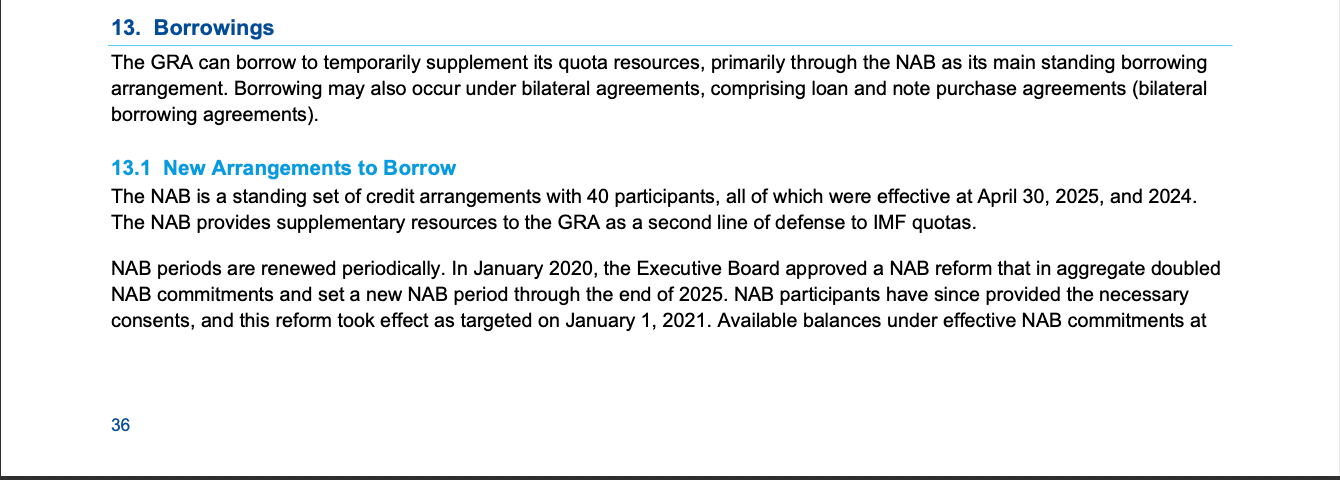
- •Heading format collapse: "13.1 新規借入協定NAB は 40 の参加者による" — the heading "New Arrangements to Borrow" merges with the beginning of the body text, eliminating the distinction between heading and paragraph. This is a serious issue for practical use
- •Writing style: Uses polite "です/ます" form ("〜できます", "〜発効しました", "〜提供します"), which is somewhat informal for financial statement notes
- •Terminology: Uses "新規借入協定" and "信用協定" — the official IMF term is "取極"
- •"割当枠の財源": Translation of "quota resources". "クォータ資源" is more standard in IMF contexts
- •Punctuation issue: In the second paragraph, a new sentence begins immediately after a period without a space
DeepL
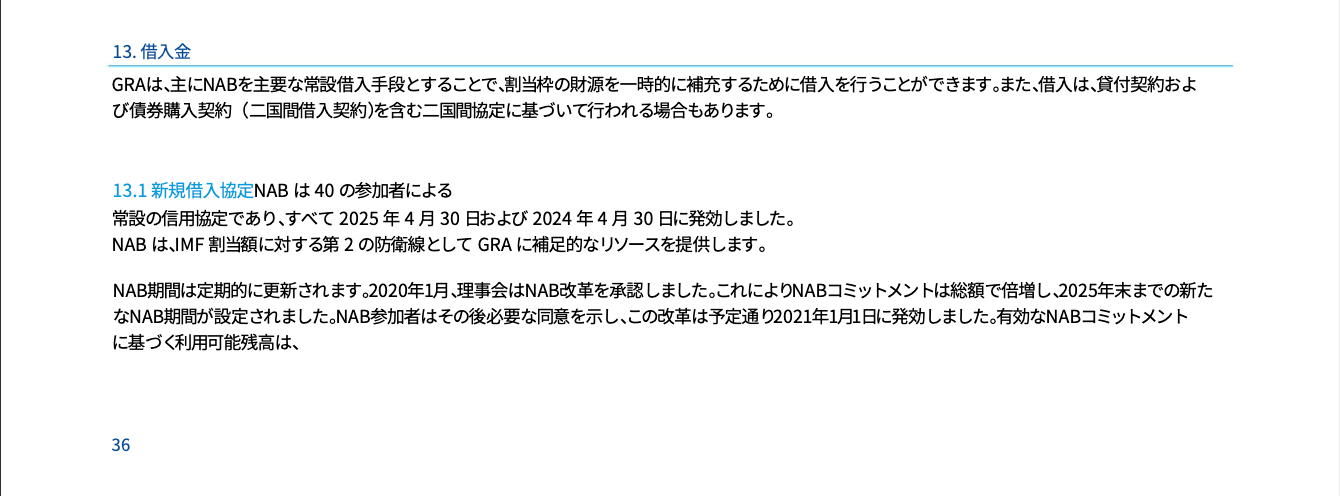
- •Clear headings: "13. 借入金" and "13.1 新たな借入取決め" are properly separated, with formatting close to the original
- •Highly natural Japanese: The sentence "GRAは、主にNABを主要な常設借入枠として、割当資源を一時的に補完するために借入を行うことができる" reads very fluently
- •Writing style: Consistent formal "である" style throughout ("〜できる", "〜がある", "〜であった")
- •Terminology: Uses "新たな借入取決め", which is close to but different from "取極". "執行理事会" is a literal translation of "Executive Board", but the official IMF Japanese term is "理事会"
- •Possible misreading of "全参加国": In the original, "all of which were effective" refers to arrangements, but DeepL appears to translate the subject as "all participating countries were effective" — potentially misidentifying the grammatical subject
doc2lang
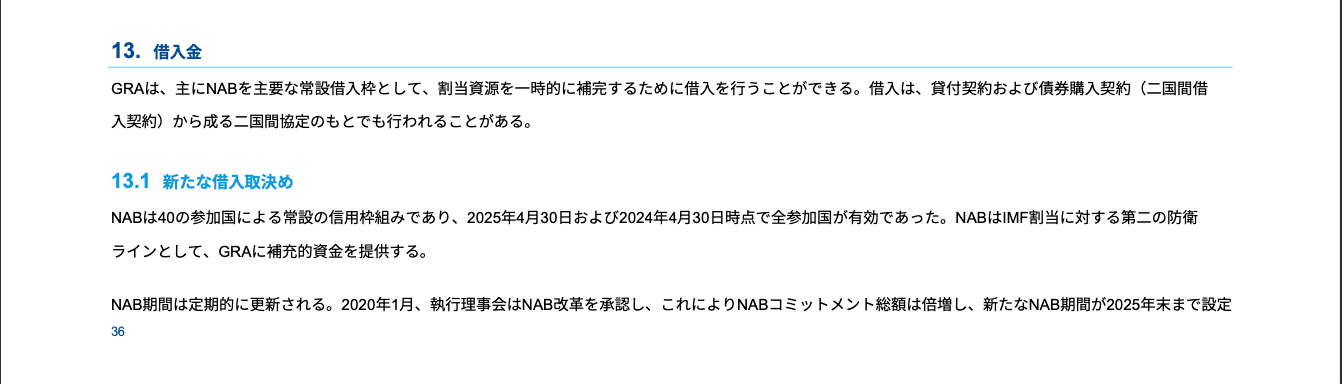
- •Headings: "13. 借入" and "13.1 新規借入取極" — uses the correct IMF term "取極"
- •"クォータ資源": "Quota resources" translated as "クォータ資源". Using the katakana "クォータ" for "quota" is standard practice in IMF documents
- •"信用取極の集合": Accurately deconstructs and translates "standing set of credit arrangements"
- •"IMFクォータに対する第二の防衛線": Accurate IMF terminology
- •Writing style: Consistent formal "である" style throughout
- •Line break issue: An unnatural line break occurs after "貸付契約および手形購入契約(二国間)", splitting "借入協定)から構成される。" onto the next line. In the original this is a single sentence, but the break placement is awkward
8. Key Terminology Cross-Reference
| Original (English) | Google Translate | DeepL | doc2lang | Official IMF Japanese |
|---|---|---|---|---|
| arrangements | 協定 | 契約 / 取決め | 取極 | 取極 |
| charges (receivable) | 料金 | 料金 | 手数料 | 賦課金 |
| reserve tranche position | 準備金トランシェポジション | 準備枠ポジション | リザーブ・トランシュ・ポジション | リザーブ・トランシェ・ポジション |
| commitment fees | コミットメント料金 | コミットメント料 | コミットメント・フィー | コミットメント・フィー |
| quota resources | 割当枠の財源 | 割当資源 | クォータ資源 | クォータ資源 |
| Executive Board | 理事会 | 執行理事会 | 理事会 | 理事会 |
| active arrangements | アクティブな契約 | 有効な契約 | 有効な取極 | 有効な取極 |
| New Arrangements to Borrow | 新規借入協定 | 新たな借入取決め | 新規借入取極 | 新規借入取極 |
| actuarial assumptions | 保険数理上の仮定 | 保険数理上の前提条件 | 数理仮定 | 数理仮定 |
| weighted average duration | 加重平均期間 | 加重平均デュレーション | 加重平均デュレーション | 加重平均デュレーション |
| note purchase agreements | 債券購入契約 | 債券購入契約 | 手形購入契約 | 手形購入契約 |
| members | 会員 | 加盟国 | 加盟国 | 加盟国 |
| second line of defense | 第2の防衛線 | 第二の防衛ライン | 第二の防衛線 | 第二の防衛線 |
Bold text indicates the translation closest to the official IMF term among the three tools
Result: doc2lang used the closest (or matching) translation to the official IMF term in 11 out of 13 items. DeepL matched in 4 items, and Google Translate in 1 item.
9. Overall Evaluation Matrix
| Evaluation Criteria | Google Translate | DeepL | doc2lang |
|---|---|---|---|
| Layout preservation (tables) | ○ | ○ | ◎ |
| Layout preservation (headings) | △Collapsed at 13.1 | ◎ | ◎ |
| Unwanted insertions | △Watermark text | △Logo and ads (free version only) | ◎ |
| IMF-specific terminology | △ | ○ | ◎ |
| General accounting terms | △receivables → 受取手形 (incorrect) | ◎ | ◎ |
| Natural-sounding Japanese | △ | ◎ | ○ |
| Style consistency | △Mixed polite/formal styles | △Some polite/formal style mixing | ◎Consistent formal style throughout |
| Notation consistency | ○ | △Mixed パーセント/% notation | ◎ |
| Numerical accuracy | ◎ | ◎ | ◎ |
| Cost | ◎Free | ○Subscription-based | △Paid |
| Ease of use | ◎ | ◎ | △ |
◎ = Excellent ○ = Good △ = Needs improvement
10. Strengths and Weaknesses of Each Tool
Google Translate
Strengths
- Completely free, no registration required, instant access
- Unmatched language coverage with 130+ languages
- Table structure preservation has significantly improved in recent years
- No errors in numerical data translation
Weaknesses
- "Assumption" mistranslated as "予測" (prediction), with three different translations for the same word
- Heading merges with body text in Section 13.1
- Does not handle IMF-specific terminology
- "Receivables" mistranslated as "受取手形" (notes receivable)
- Polite "です/ます" style is too casual for financial statement notes
DeepL
Strengths
- Most natural-sounding Japanese among the three tools
- Relatively high accuracy in general accounting terminology
- Good table structure preservation
- Correctly uses terms like "加盟国" (member countries) in several places
- Clear heading structure preservation
Weaknesses
- Mixed "0.5パーセント" and "0.5%" notation within the same table
- Inconsistent mixing of polite and formal writing styles
- Does not use IMF-specific official terms like "取極" or "クォータ"
- "Executive Board" translated as "執行理事会" instead of the IMF standard "理事会"
- Free version includes logo and promotional ads
doc2lang
Strengths
- Highest accuracy for IMF-specific terminology among all tools
- Best layout reproduction fidelity
- Consistent formal "である" writing style throughout
- Uniform "0.5 パーセント" notation
- No unwanted insertions whatsoever
Weaknesses
- Paid service
- Unnatural line break placement in Section 13
- Writing style is slightly more rigid compared to DeepL
- Translates "charges" as "手数料" (commission), which slightly differs from the official IMF term "賦課金"
11. Pricing Comparison
11.1 Pricing Plans for Each Tool
Google Translate
| Item | Details |
|---|---|
| Web Version | Completely free, no registration required, no character limits |
| Cloud Translation API | 500,000 characters/month free. Overage: $20 per 1M characters |
| Supported File Formats | PDF, DOCX, PPTX, etc. |
| Remarks | The personal web version is completely free with unlimited use |
DeepL
| Plan | Monthly Price | Character Limit/Month | File Translation |
|---|---|---|---|
| Free | Free | 1,500 characters per translation | 1 file/month (non-editable) |
| Individual | $10.49 | 300,000 characters | 3 files/month (editable) |
| Team | $34.49/user | 1,000,000 characters | 10 files/month (editable) |
| Business | $68.99/user | Unlimited | 100 files/month (editable) |
| Enterprise | Contact sales | Custom | Custom |
- Annual billing saves approximately 33% compared to monthly billing
- Free version includes logo/ads and has file size limitations
- API Pro: $5.49/month (base) + $25 per 1M characters (usage-based)
doc2lang
| Token Count | Unit Price |
|---|---|
| 1–20K tokens | $0.50 / 1K tokens |
| 20K–60K tokens | $0.25 / 1K tokens |
| 60K+ tokens | $0.10 / 1K tokens |
- No subscription required — pay-per-use billing model
- In English: 1 character ≈ 1 token, 1 page ≈ 2,000–3,000 tokens
- Bulk credit purchases waive the minimum charge ($5), and credits never expire
- Preview available before translation: no charge if you are not satisfied with the quality
11.2 Real-World Cost Simulation
Cost estimates for translating the IMF financial statements used in this analysis (1 page, approx. 3,000 characters):
| Tool | Cost | Remarks |
|---|---|---|
| Google Translate | $0 | Completely free |
| DeepL Free | $0 | Within free tier (but includes logo/ads) |
| DeepL Individual | $10.49/月 | Requires monthly subscription (other translations included) |
| doc2lang | Approx. $1.50 | 3K tokens × $0.50/1K tokens |
For a full 50-page report (approx. 150,000 characters):
| Tool | Cost | Calculation Basis |
|---|---|---|
| Google Translate | $0 | Web version is completely free |
| DeepL Free | Not available | Exceeds the 1,500 character per translation limit |
| DeepL Individual | $10.49/月 | Within the monthly 300,000 character limit |
| DeepL Team | $34.49/月 | For multi-user scenarios |
| doc2lang | Approx. $29 | 20K×$0.50 + 40K×$0.25 + 90K×$0.10 |
11.3 Differences in Pricing Models
The three tools have fundamentally different pricing structures:
- •Google Translate: The web version's fully free model is an overwhelming advantage. Even the API offers 500,000 characters/month free of charge
- •DeepL: Subscription-based monthly billing. Cost-effectiveness improves with frequent use, making it ideal for regular users who translate often
- •doc2lang: Pay-per-use with no subscription required. Perfect for one-off needs like "just this month" or "just this document" — no cost incurred during months with no usage
12. Recommendations by Use Case
| Use Case | Recommended Tool | Reason |
|---|---|---|
| Quick overview of content | Google Translate | Free and instant. Sufficient for grasping the general meaning |
| Internal reference material for team sharing | DeepL | Natural-sounding Japanese that reads well, at a reasonable cost |
| Submission to clients or external organizations | doc2lang | Scenarios requiring accuracy in specialized terminology and layout fidelity |
| Translation into multiple languages needed | Google Translate | Unmatched language coverage |
| Regular translation of financial/international organization documents | doc2lang | Adherence to domain-specific official terminology is essential |
| Balancing quality and cost | DeepL | Suitable for the broadest range of users |
13. Conclusion
Each of the three translation tools has distinct strengths, and the "best" tool depends on your specific use case.
Google Translate is free and instantly accessible, with significantly improved table structure preservation in recent years. While specialized terminology accuracy remains a challenge, it delivers sufficient quality for grasping the general content. It is the best choice for budget-constrained situations or casual information gathering.
DeepL produces the most fluent Japanese among the three tools and offers an excellent balance of quality and price. Despite some inconsistencies in notation, it is the most recommended tool for general business document translation. The paid version also eliminates ad insertions.
doc2lang handles specialized terminology unique to international organizations like the IMF — such as "取極", "クォータ", and "コミットメント・フィー" — with the highest accuracy, and surpasses the other two tools in layout fidelity and style consistency. It is the ideal choice for professional scenarios that demand formal, publication-ready translations.
Ultimately, the most practical approach is not to commit to a single tool, but to choose the right one based on your purpose, budget, and required quality level.
We also have a detailed guide on translating IMF financial statements with doc2lang.See the IMF translation guide
Try PDF Translation with doc2lang
Experience high-precision translations that handle even IMF-specific terminology